
How JumpSeed Built Their IoT-Powered Agricultural Platform with 3 Odesa Engineers and Saved $180K
JumpSeed needed engineers who could bridge IoT hardware data with a modern web platform — a niche skill set that’s almost impossible to recruit for in traditional job markets. Odesa placed 3 engineers with IoT and data visualization experience in 15 days, enabling JumpSeed to launch their precision agriculture platform on schedule and $180K under US hiring costs.
The Challenge
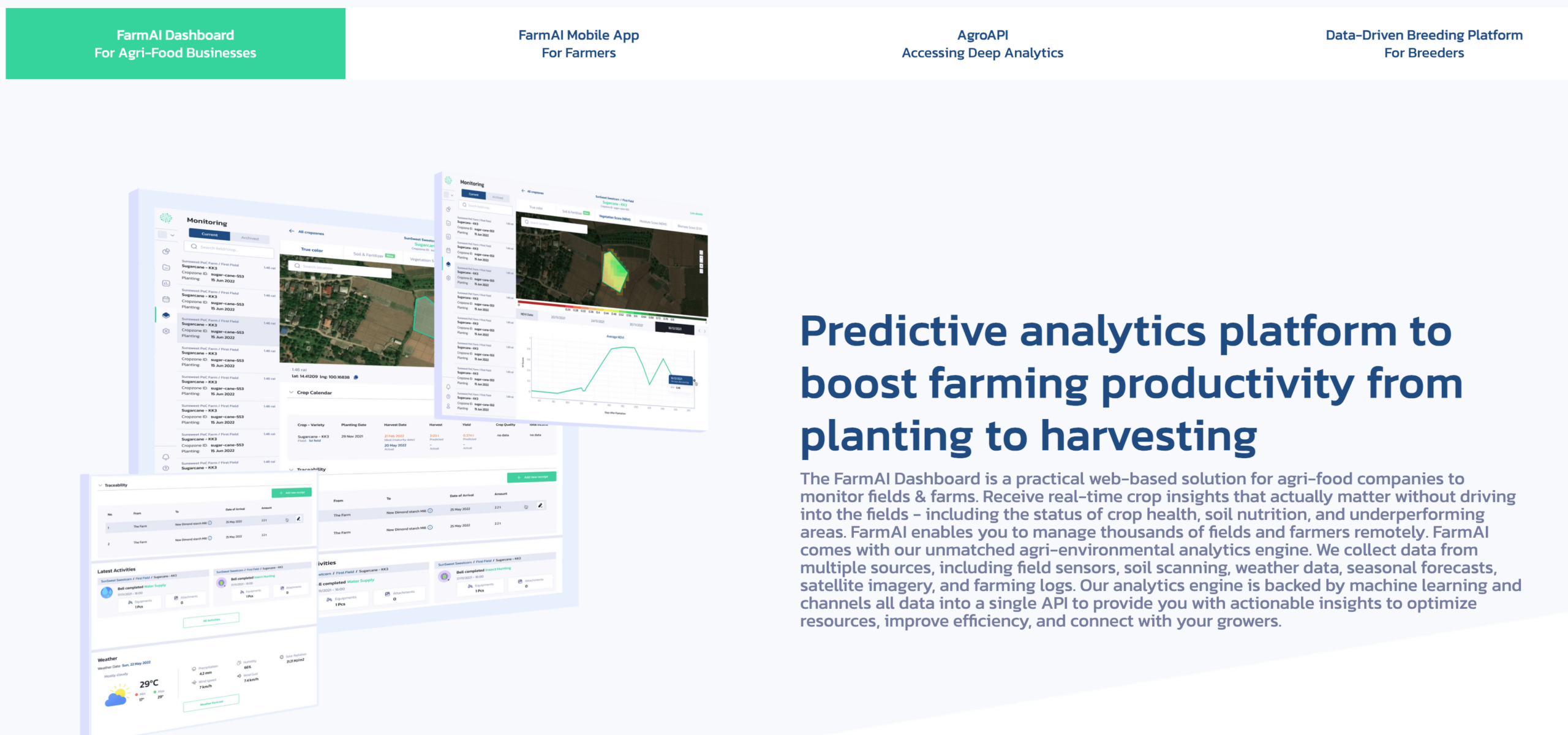
JumpSeed’s precision agriculture platform ingests real-time data from thousands of field sensors — soil moisture, temperature, nutrient levels, weather stations — and translates it into actionable recommendations for farmers. The technical challenge: building a platform that handles high-frequency IoT data streams, processes them in near-real-time, and presents the results through an intuitive dashboard that non-technical farmers can actually use.
Finding engineers who understand both the IoT data ingestion side (MQTT, time-series databases, edge computing) and the frontend visualization side (React, D3.js, mapping) proved nearly impossible through traditional channels. JumpSeed had been searching for 4 months with zero qualified hires.
Why JumpSeed Chose Odesa
JumpSeed’s CTO specifically wanted Eastern European engineers because of the region’s strong background in systems-level programming and IoT — a legacy of the deep computer science education programs in Ukraine and Poland. He contacted Val after a LinkedIn recommendation from another Odesa client and was impressed that Val could have a substantive technical conversation about MQTT broker architectures and time-series database trade-offs.
Most staffing companies couldn't even spell MQTT. Val asked me about our QoS levels and message retention strategy in our first call. That's when I knew we were talking to the right partner.
-- CTO, JumpSeed
The Solution
Val mapped JumpSeed’s requirements into three distinct roles: an IoT backend specialist for the data ingestion and processing layer, a full-stack engineer for the web platform and API, and a frontend specialist for the data visualization and mapping components.
| Role | Experience | Tech Stack | Days to Place |
|---|---|---|---|
| IoT Backend Engineer | 8 years | Python MQTT TimescaleDB Kafka | 6 days |
| Full-Stack Developer | 7 years | React Node.js PostgreSQL AWS | 4 days |
| Frontend / Data Viz | 6 years | React D3.js Mapbox TypeScript | 5 days |
The Results
JumpSeed’s platform went from prototype to production-ready in 5 months. The system now processes data from 12,000+ field sensors across 200+ farms in real-time, with dashboard load times under 2 seconds even for farms with 50+ active sensors. The platform’s recommendation engine has demonstrably improved crop yields for early adopter farms by 15-20% according to JumpSeed’s internal metrics.
Cost savings: the 3-person Odesa team costs $270K annually vs. $450K+ for equivalent US hires with IoT expertise (a premium specialty). That $180K annual savings translates directly to extended runway and the ability to invest in customer acquisition rather than burning capital on engineering overhead.
Key Takeaways
JumpSeed’s case demonstrates that offshore staff augmentation isn’t just for large companies optimizing costs — it’s a genuine competitive advantage for early-stage startups racing against time and burn rate. The combination of 4-day placement speed, the risk-free trial, and Val’s advisory role in team composition gave JumpSeed a launch timeline that would have been impossible through traditional hiring.
Building an IoT or data platform?
More Case Studies
See how other companies scaled with Odesa.
PetTech / eCommerce
One Pet
AI / SaaS
Cuppa AI
FinTech / SaaS
Korvato
Ready to become the next case study?
Book a 15-minute discovery call with Val. Describe your engineering needs. Receive hand-matched developer profiles within 48 hours.